
In Rwanda, access to water does not always mean access to safe drinking water.
Many schools already have taps, storage tanks, rainwater collection systems, or municipal supply lines. On the surface, the infrastructure exists. But the real question is whether students, teachers, and families can fully trust the water being consumed every day.
Water contamination often happens quietly through storage, handling, aging infrastructure, or inconsistent treatment processes. As a result, students in many schools either drink untreated water or avoid drinking water during the school day altogether. What appears to be a small issue quickly becomes a larger one affecting concentration, attendance, energy levels, health, and the overall learning environment.
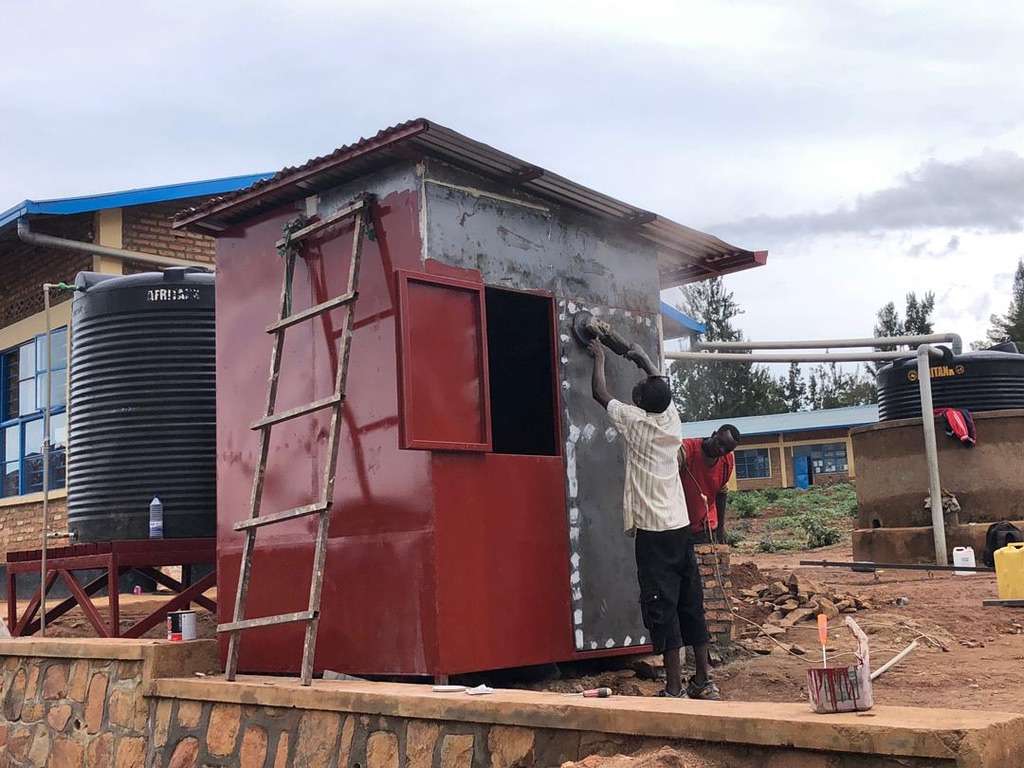
The Safe Drinking Water for Every School program was created to address this challenge in a practical and sustainable way.
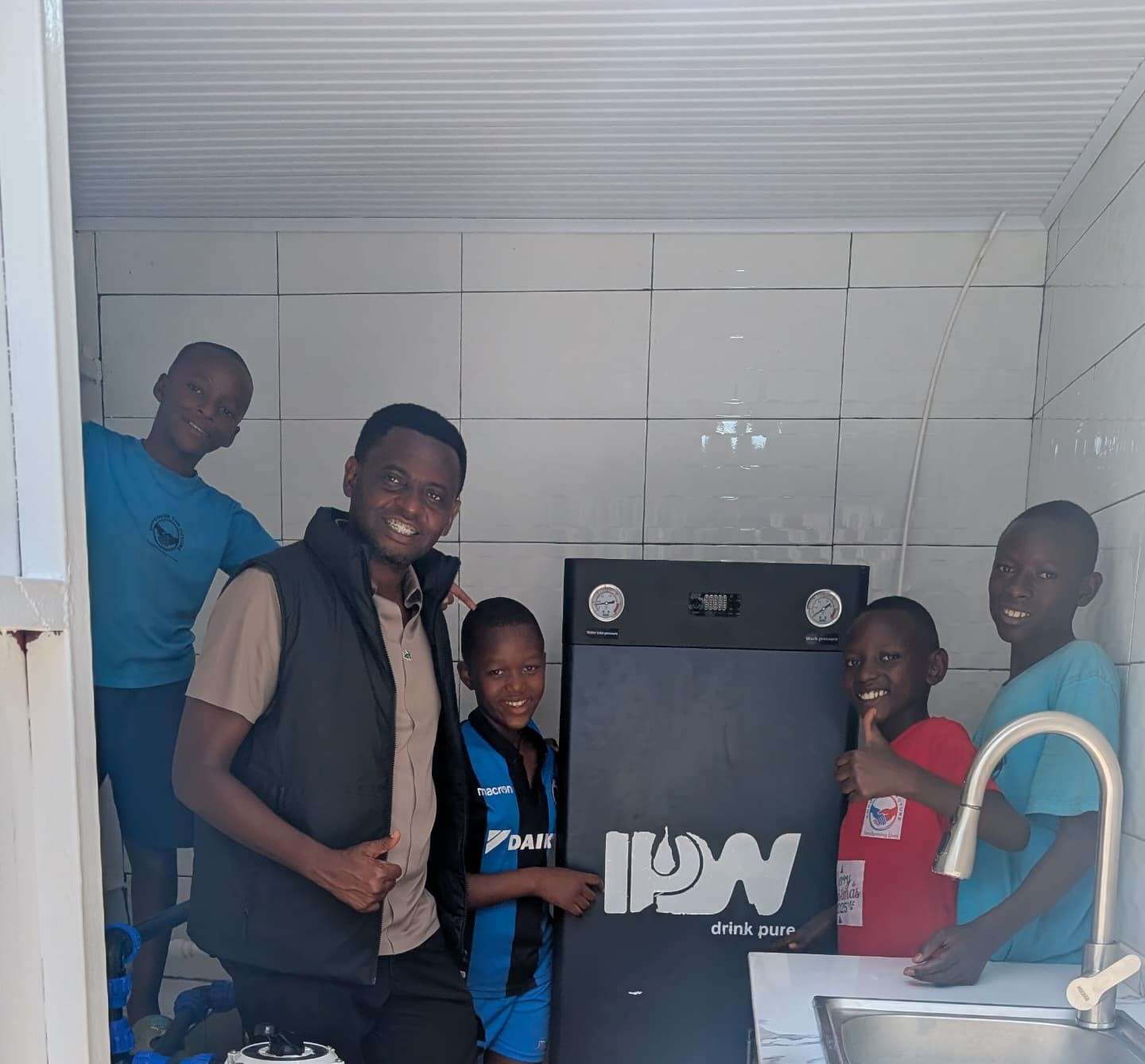
Led by the Drink Pure Foundation in partnership with International Pure Water (IPW), the initiative focuses on providing schools with reliable access to safe drinking water directly at the point of use. IPW serves as the technology partner, supplying advanced water purification systems designed for real-world environments where long-term reliability, consistency, and ease of maintenance matter deeply.
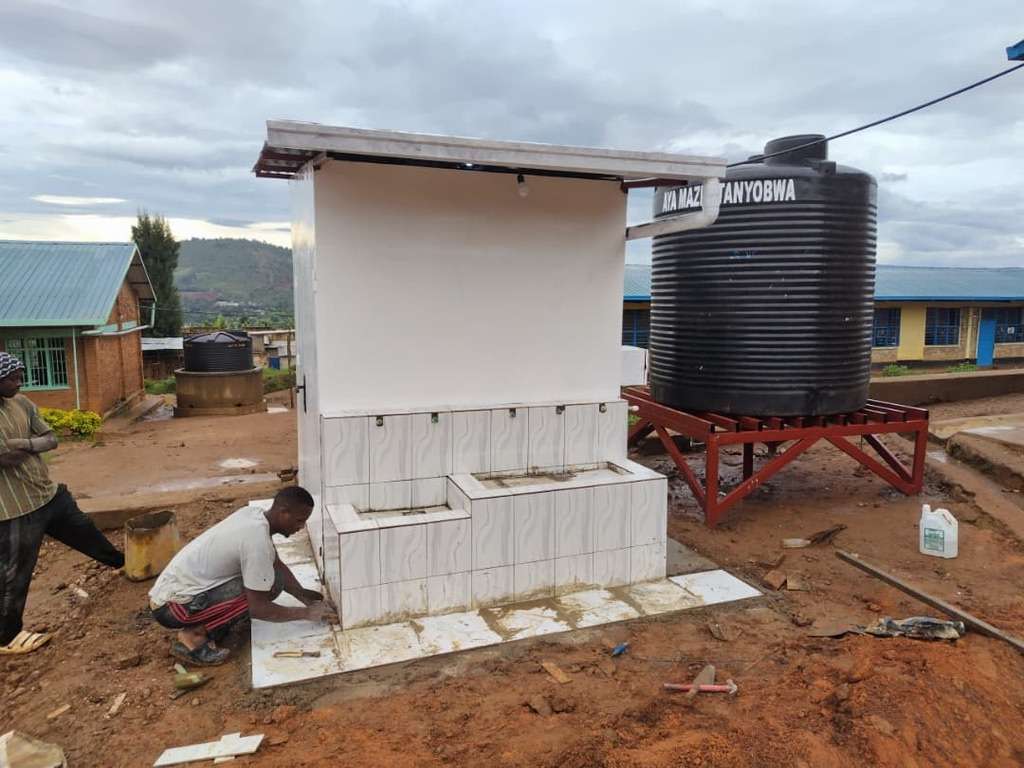
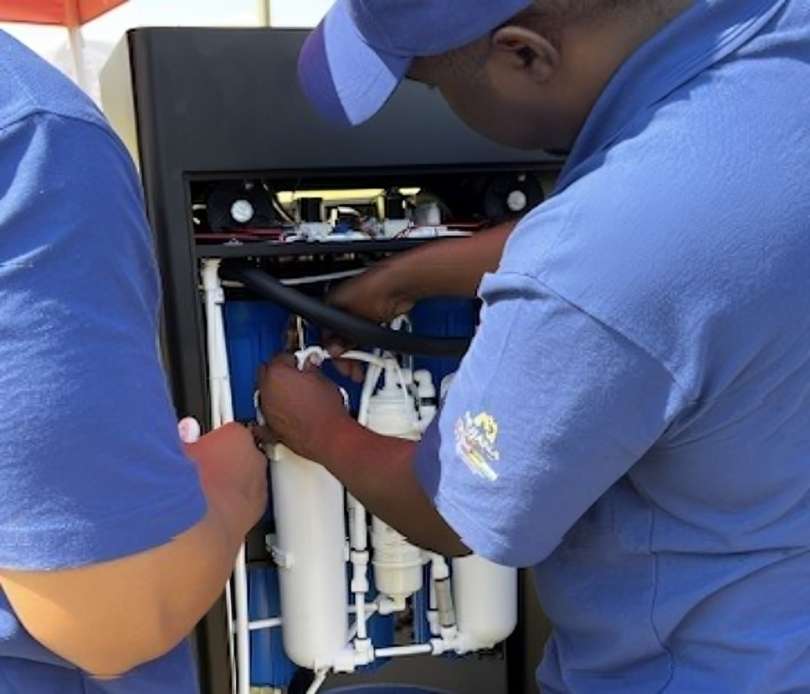
The program is not built around temporary intervention or short-term aid. It is designed around systems that can operate sustainably within schools over time. Each installation is developed as a complete water treatment environment that includes purification technology, controlled dispensing systems, operator training, maintenance support, and long-term monitoring.
This approach matters because safe drinking water impacts far more than hydration.
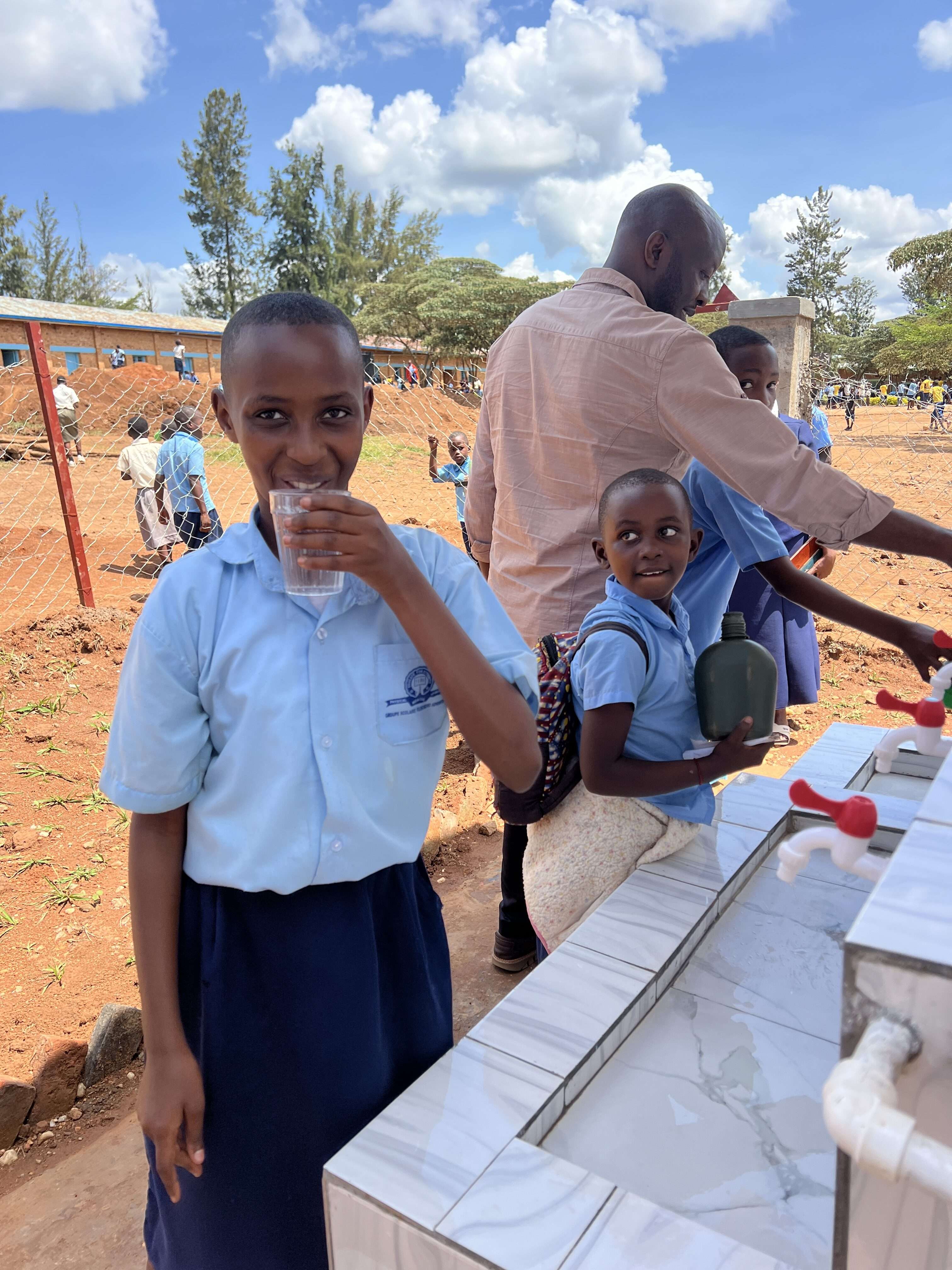
When students trust the water available at school, they are more likely to stay hydrated throughout the day, remain focused in class, and avoid preventable health disruptions linked to unsafe water. Teachers are able to focus more fully on education instead of operational concerns around water quality, while schools gain greater confidence in the environments they provide for students and staff.
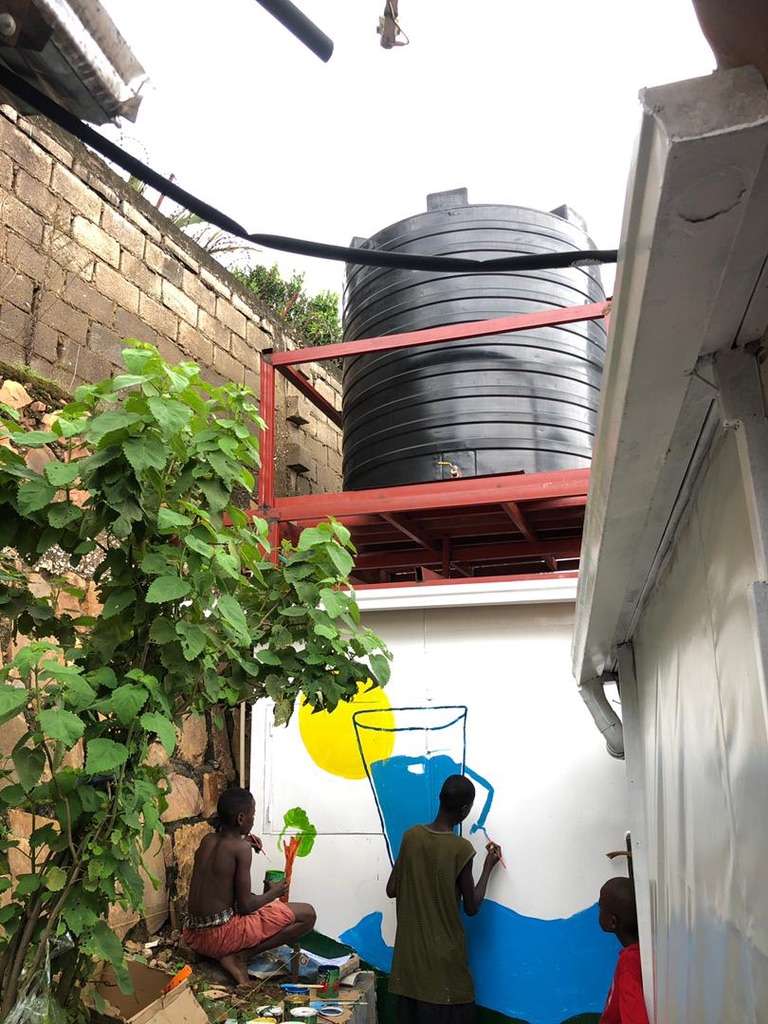
The first deployment has already been completed at GS Rusororo School in Rwanda, where ministry stakeholders responded positively to both the performance of the system and the broader long-term vision behind the initiative. The current phase focuses on an initial rollout across 20 schools while laying the groundwork for much broader implementation in the future.
Rwanda serves as the foundation for a larger vision that extends across Africa. The program has been intentionally designed for replication in diverse environments through strong local partnerships, practical implementation models, and systems that communities can sustain and manage confidently over time.
At its core, the initiative is guided by a simple belief.
Students should never have to question whether the water they drink at school is safe.