
In many parts of the world today, the challenge is no longer simply whether water exists.
The deeper challenge is whether that water is consistently safe to drink.
A community may have municipal supply lines. A school may have storage tanks. A clinic may have access to borehole water or rainwater collection systems. Yet uncertainty often remains around water quality, contamination risks, infrastructure reliability, and long-term safety at the point of use.
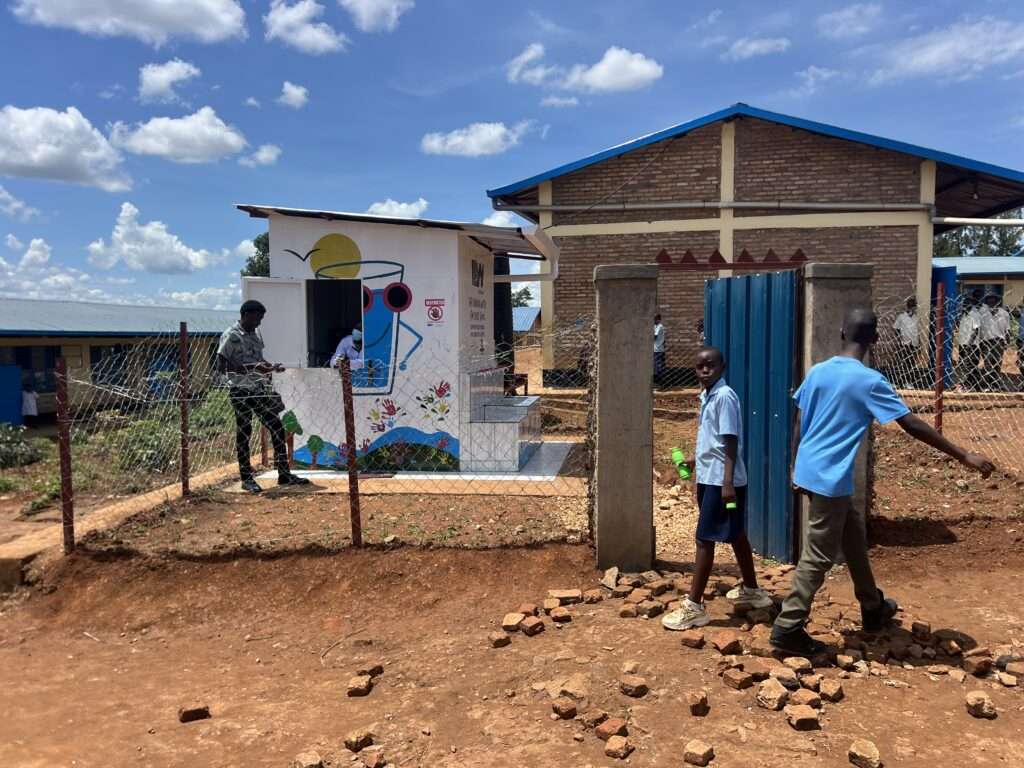
This is where the conversation around water access begins to change.
Access alone is not enough if families still feel the need to boil water daily before drinking it. Infrastructure alone is not enough if schools remain exposed to contamination through storage systems or inconsistent treatment processes. In many environments, people are left to manage these risks on their own with limited tools, limited information, and limited long-term support.
At Drink Pure Foundation, we focus on helping close that gap through practical, sustainable water solutions designed for real-world conditions.
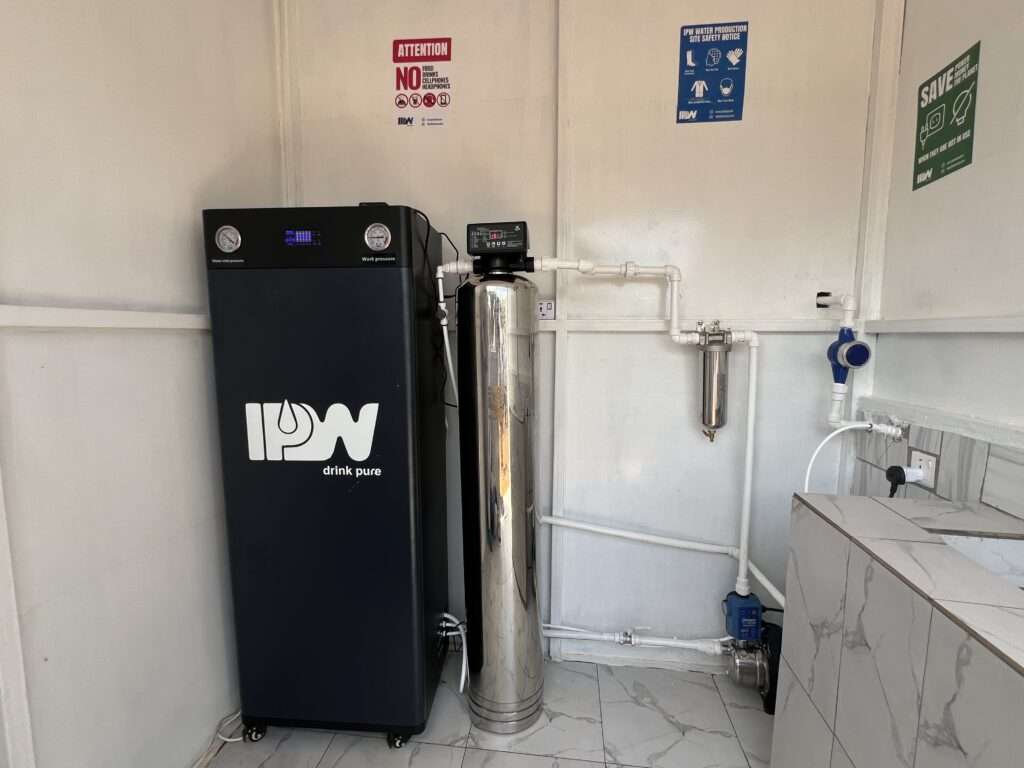
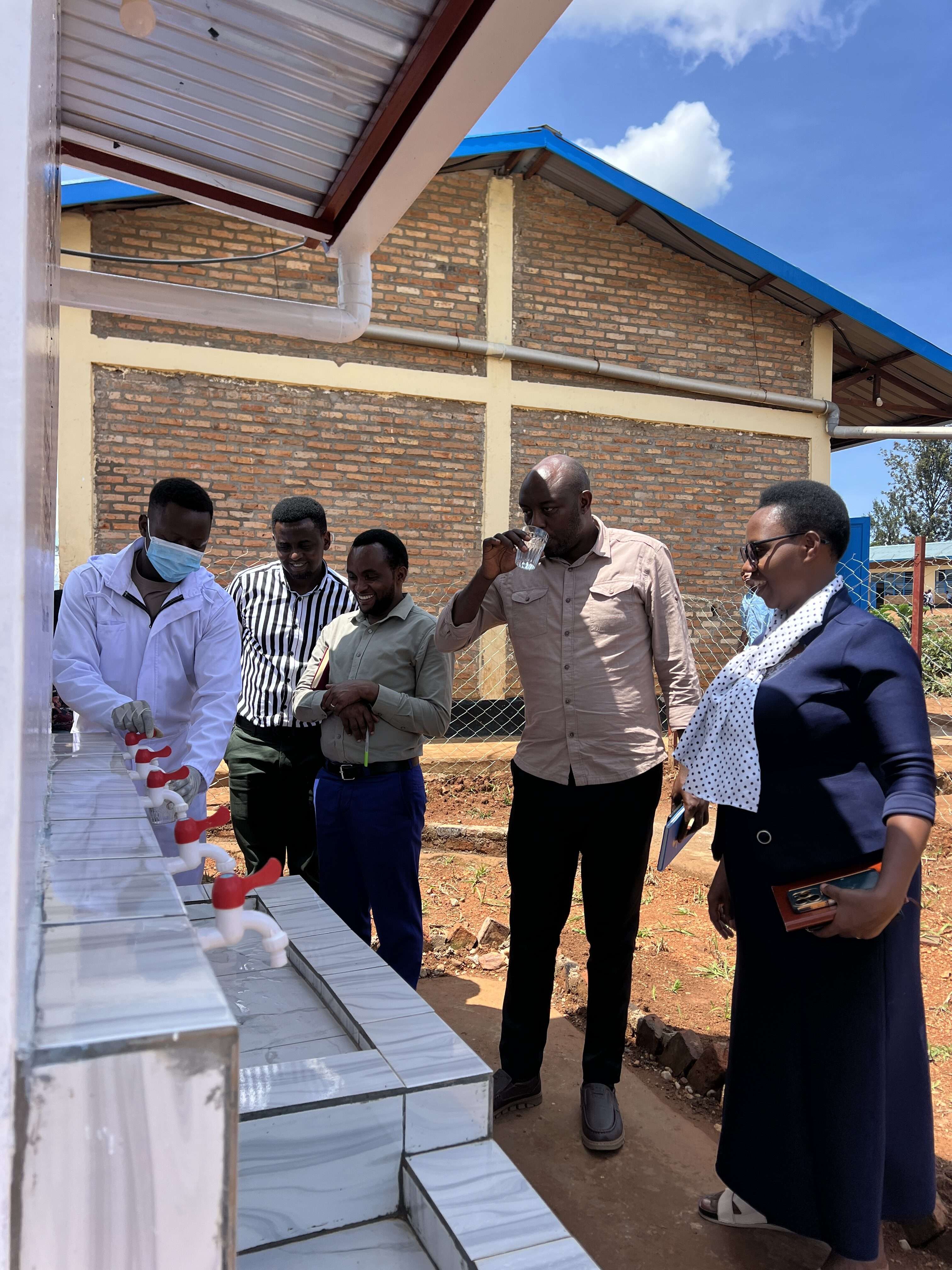
Working alongside our technology partner, International Pure Water (IPW), we support advanced water purification systems engineered to operate reliably across a wide range of environments, including schools, clinics, hospitality spaces, and community institutions. The systems are designed to function both on and off the grid, allowing for deployment in environments where power reliability or infrastructure limitations may otherwise become barriers.
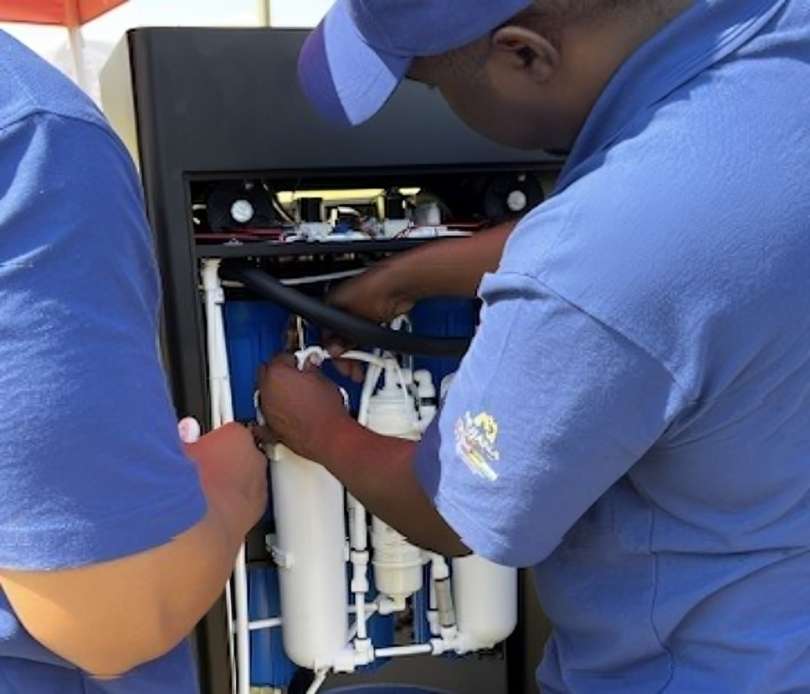
The technology itself is built around a multi-stage treatment process designed to improve water quality at the point of use. Depending on the deployment environment, systems may include pre-filtration stages, reverse osmosis, ultraviolet sterilization, and advanced membrane filtration technologies that help reduce microbiological and inorganic contaminants while improving consistency and reliability over time.
But technology alone is never enough.
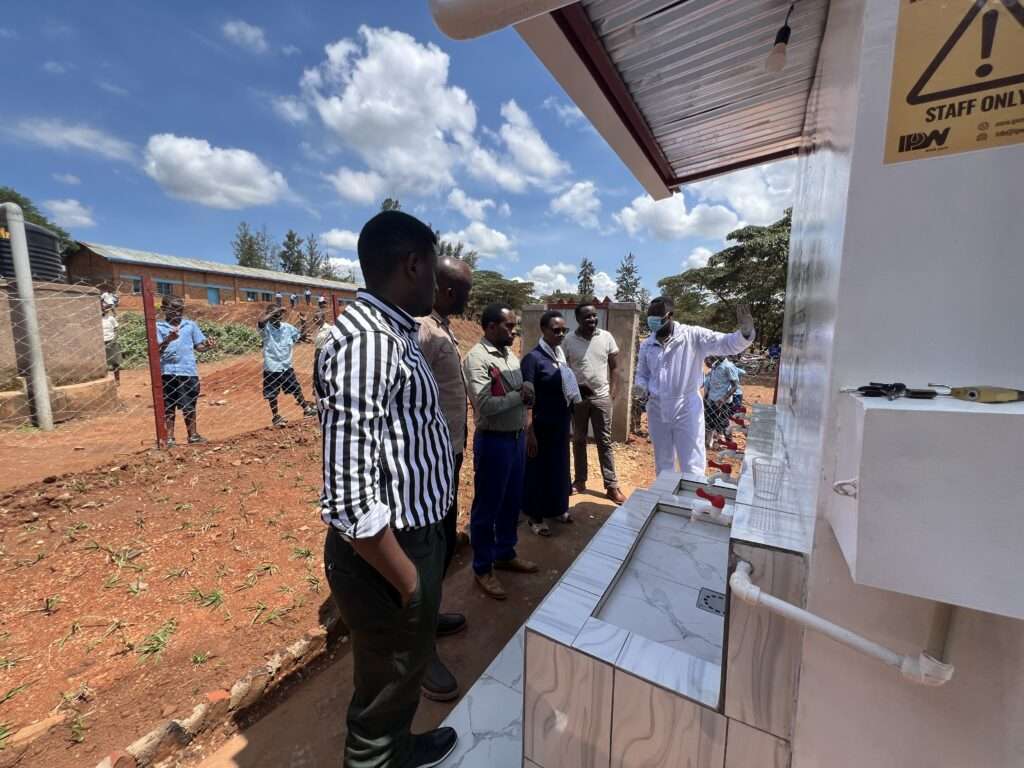
Long-term impact depends on whether systems can be maintained, monitored, understood locally, and integrated into everyday life without creating dependency or unnecessary complexity. That is why the approach also includes operator training, maintenance support, and practical implementation models designed for long-term sustainability.
Reliable water changes how environments function.
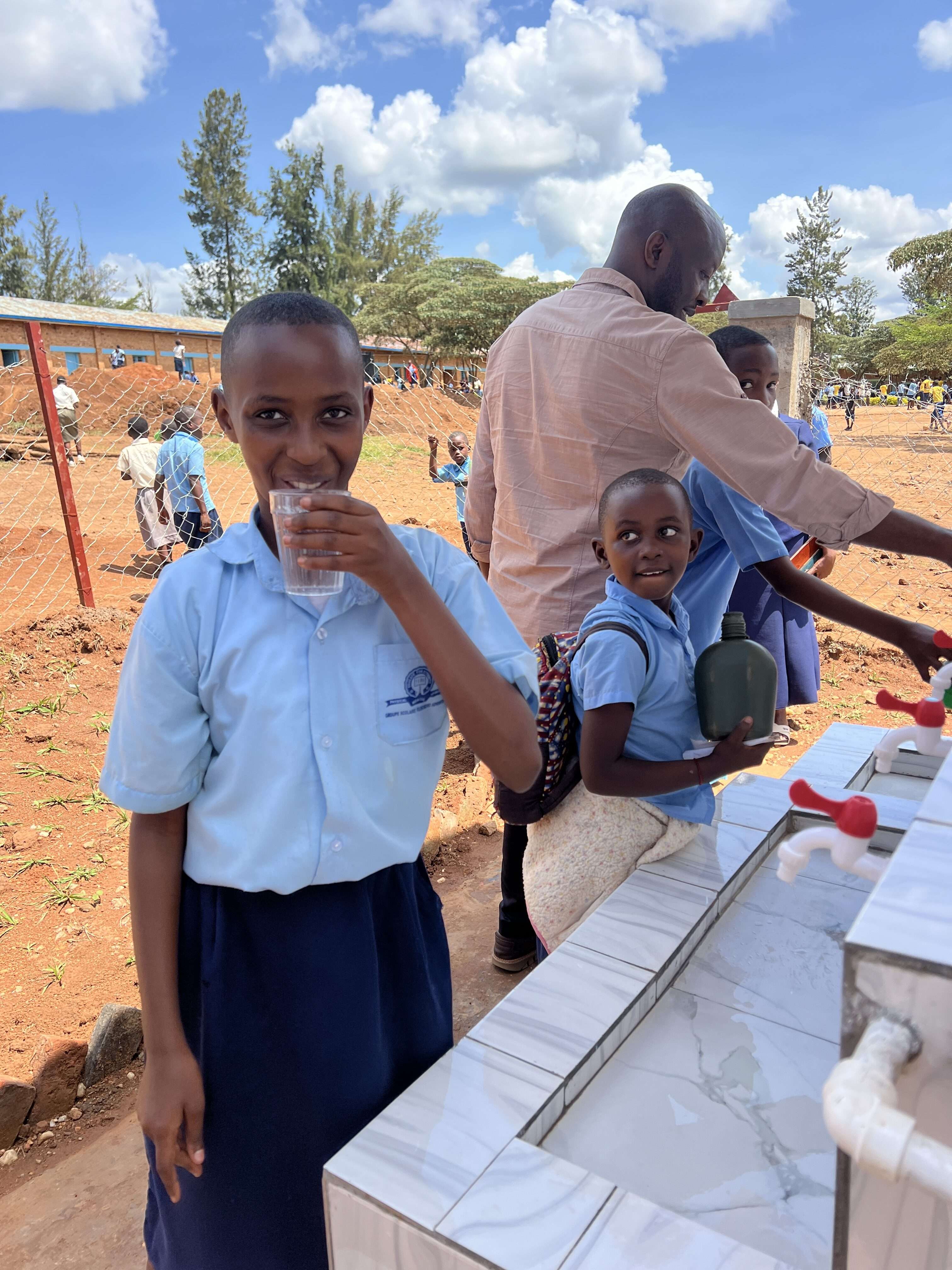
Schools operate with greater confidence. Families spend less time managing avoidable risks. Clinics are able to maintain stronger hygiene standards. Communities are able to direct more time, energy, and resources toward growth and opportunity instead of preventable challenges tied to unsafe water.
When safe drinking water becomes reliable, everything else becomes easier to sustain.