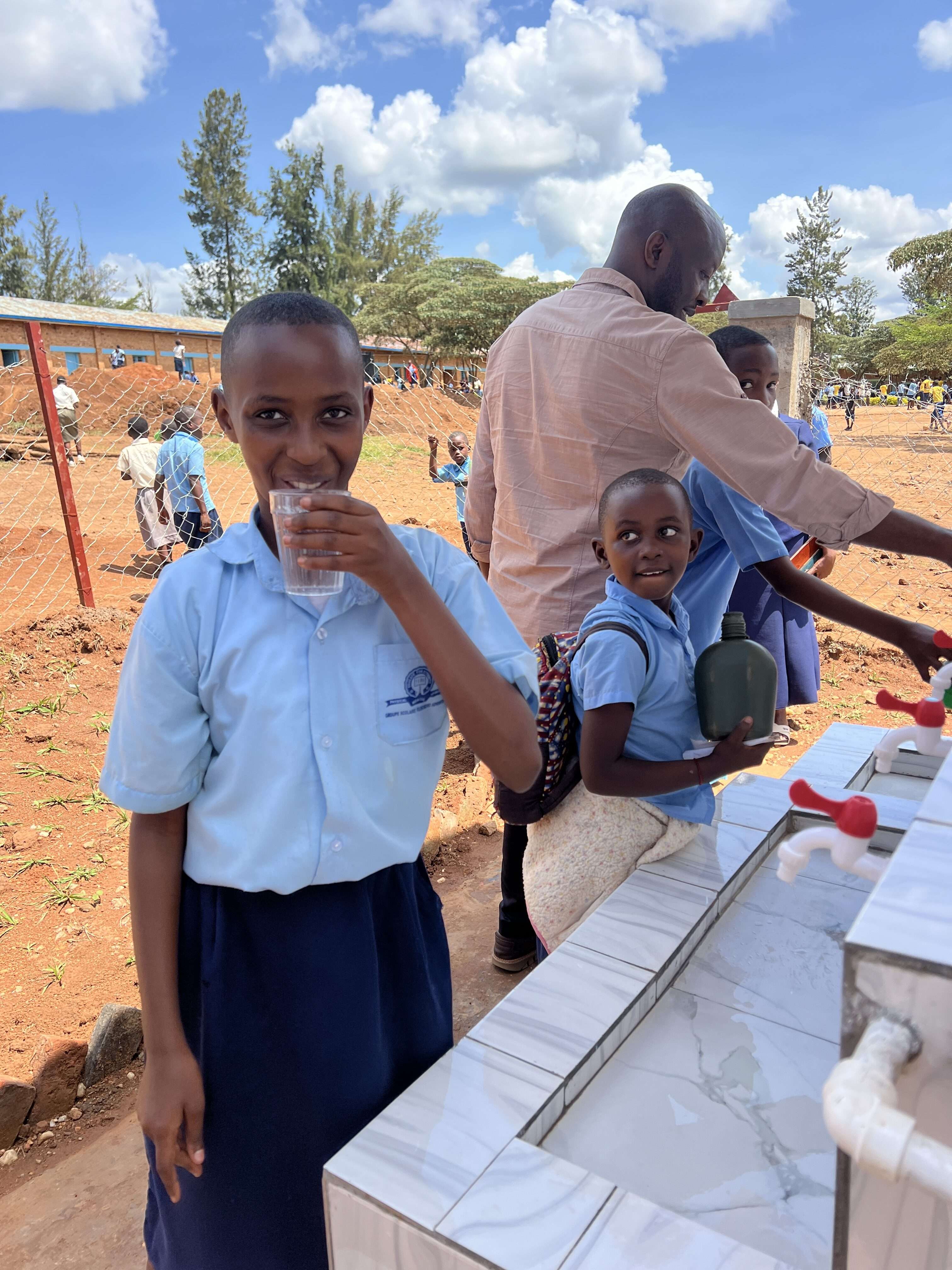
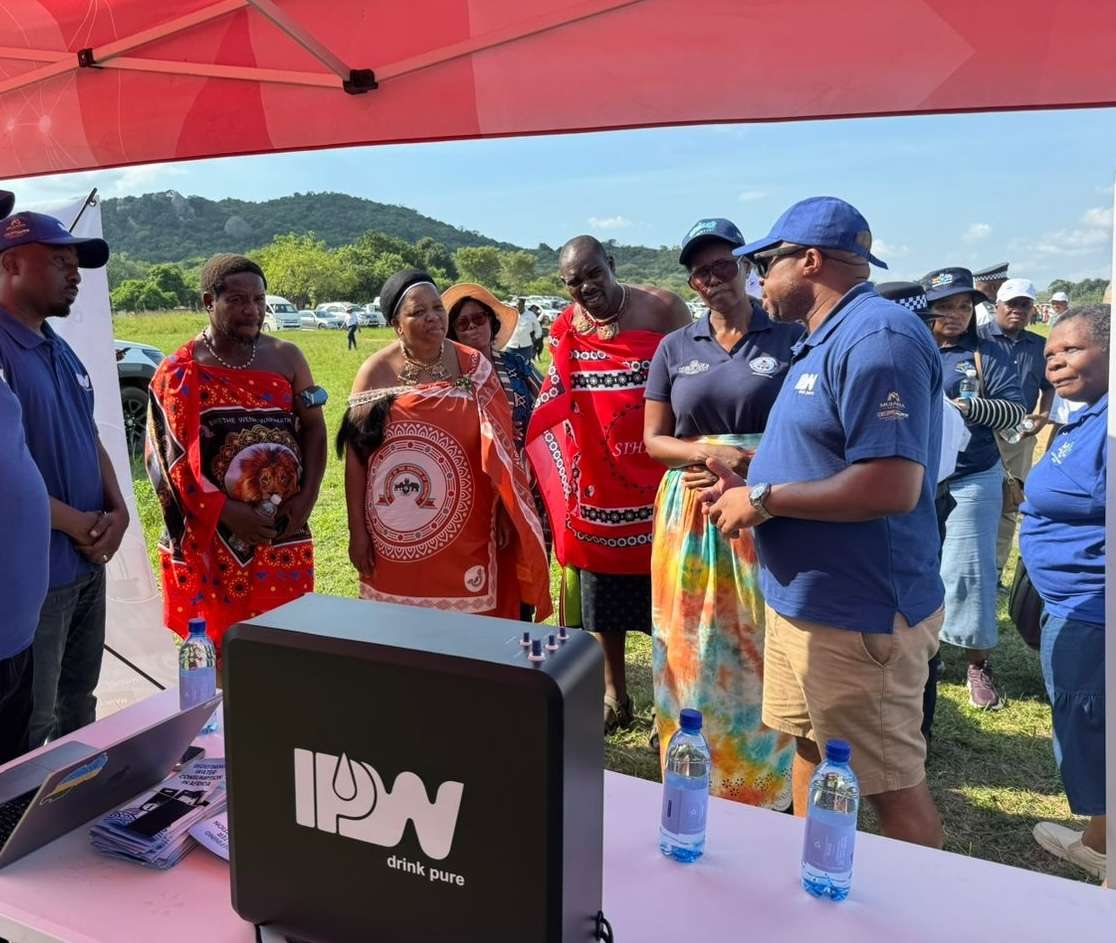

Earlier this year, Drink Pure Foundation and International Pure Water (IPW) participated in the World Water Day commemoration in Eswatini alongside local stakeholders, government representatives, and communities working to improve long-term water access and sustainability across the country.
Hosted by the Ministry of Natural Resources and Energy under the theme “Water and Gender,” the event created space for an important conversation that extended far beyond infrastructure alone. It highlighted the reality that water affects education, health, household stability, productivity, and the daily lives of families in deeply interconnected ways.
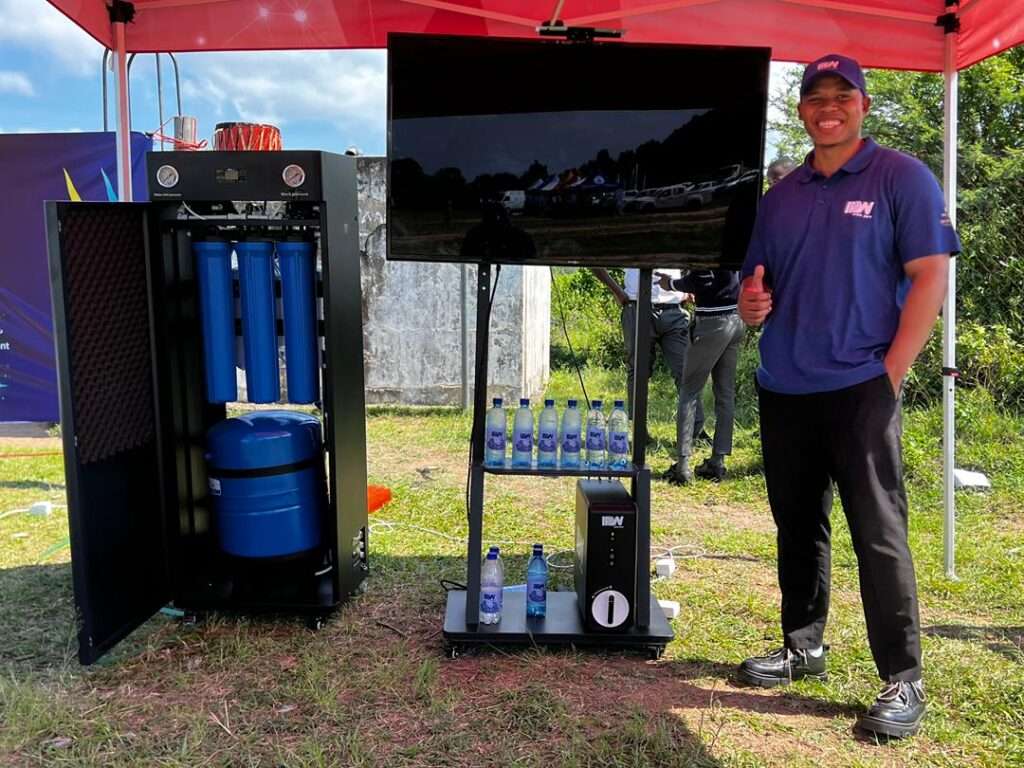
Representing the initiative on the ground was Muzi Motsa, IPW’s Country Representative in Eswatini, who continues to support local engagement efforts and relationship building as conversations around safe drinking water and long-term water systems continue to grow within the region.
One of the strongest themes emerging from the event was the recognition that water is not experienced equally by everyone.
For many families, especially in underserved or rural environments, water remains tied to time, distance, labor, and responsibility. In many communities, women and girls continue carrying the greatest burden when water systems are unreliable or difficult to access. Water must often be collected, transported, stored carefully, and stretched across multiple household needs including cooking, cleaning, sanitation, bathing, and small-scale food production.
When systems fail, it is usually families and communities that absorb the impact first.
The event also included the launch of a solar-powered potable water supply and sanitation project, highlighting the growing importance of solutions that combine sustainability, renewable energy, and long-term community benefit. But beyond the technology itself, one message stood out clearly throughout the day: infrastructure alone is never enough.
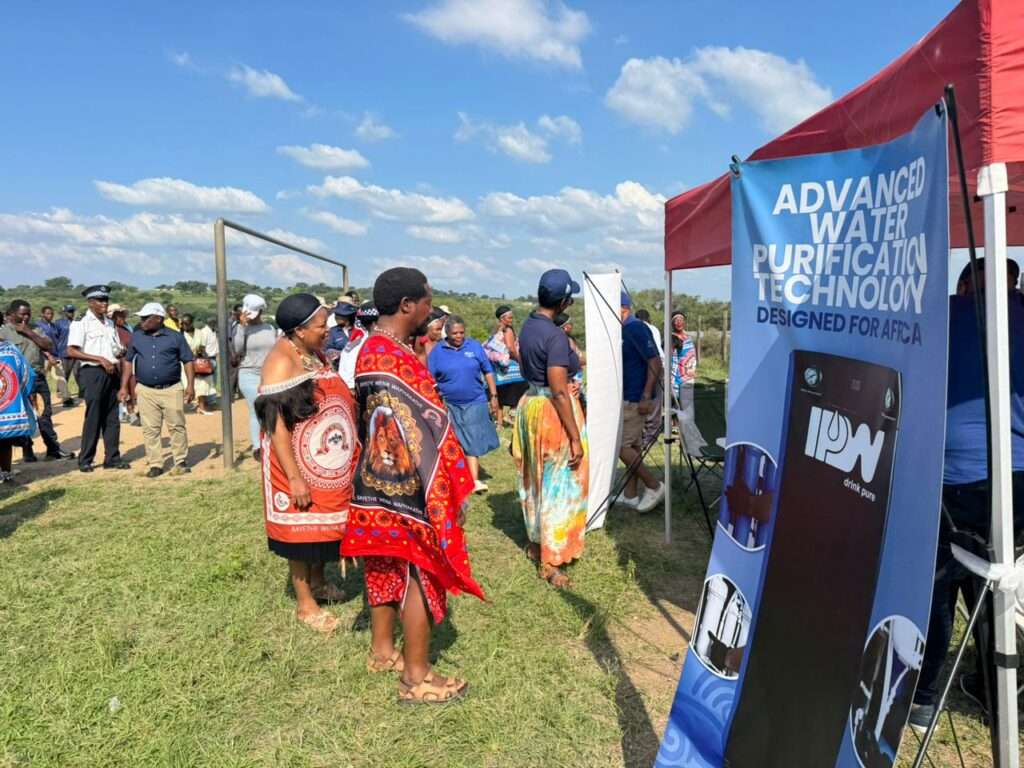
Long-term success depends on whether systems are understood locally, maintained consistently, and integrated into everyday life in ways communities can realistically sustain over time.
This philosophy closely aligns with the approach shared by Drink Pure Foundation and International Pure Water.
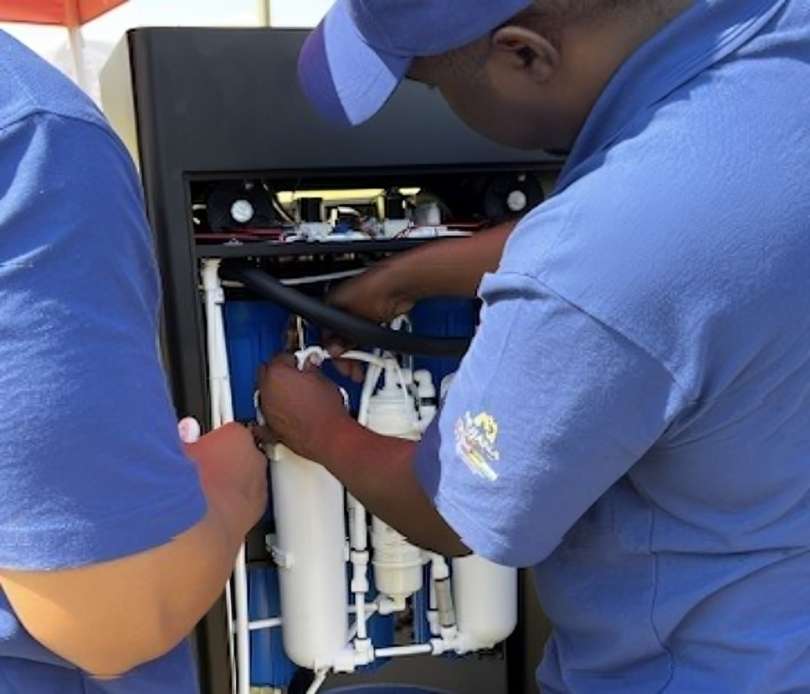
Through partnerships, local engagement, and practical water treatment systems designed for real-world conditions, the goal is not simply to install technology, but to support environments where safe drinking water becomes reliable, trusted, and sustainable over the long term.
Events such as World Water Day serve as an important reminder that the future of water is not only about expanding infrastructure. It is about building systems that communities can depend on with confidence.
Because ultimately, the goal is not simply to bring water closer.
It is to ensure that when water arrives, it is truly safe, reliable, and able to support everyday life with dignity.